

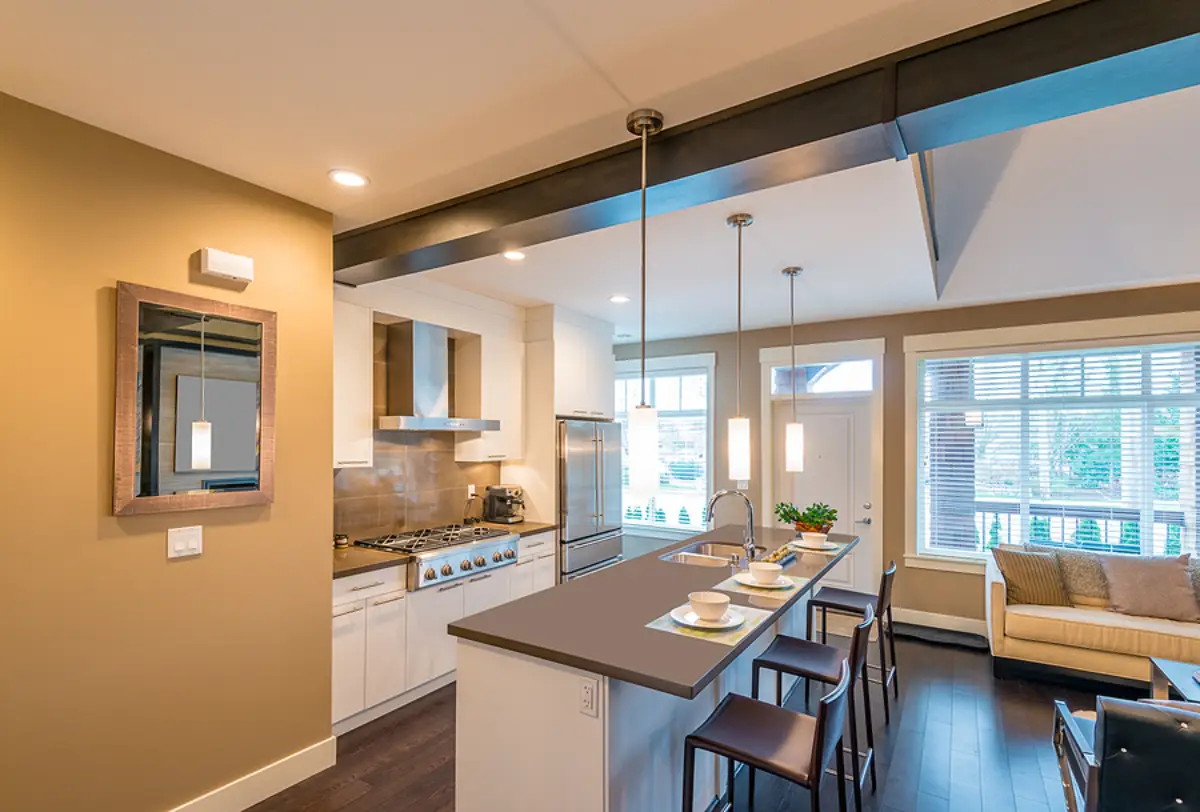
A Mission Viejo rental can look flawless on the outside and still drag on returns once vacancy days, patched-together repairs, or a rough tenant transition are factored in, which is exactly why we walk owners through proven strategies for rental success before assuming a strong rent number tells the whole story. We've watched this pattern repeat across different properties, and it's rarely one bad call that causes it. Instead, it's a handful of small oversights that stack up quietly.
Here's where they tend to start.
Key Takeaways
- A strong asking rent doesn't guarantee strong cash flow once vacancy and turnover costs are counted.
- Repairs pushed off for a few months often cost more than they would have upfront.
- Loose screening standards tend to show up later as missed payments or lease breaks.
- Owners who skip financial review miss slow declines until they've already cost money.
- Property performance needs a second look well after the purchase closes.
When Renovations Outpace What the Market Will Bear
Some owners pour money into a full renovation, set the rent to match, and then discover the finishes weren't built for daily rental wear.
This tends to happen for a few reasons. The materials chosen suit a personal home rather than a rental, no one checked comparable listings before setting the price, or the assumption is that renovation cost alone should dictate rent regardless of what nearby homes are actually leasing for. Owners can review why big-ticket renovations produce smaller returns before committing budget to upgrades that won't hold up.
The end result is a property that photographs beautifully but generates repair calls within months, all while carrying a rent the surrounding market may not fully support.
Listings Priced Above the Neighborhood, Then Left Sitting
A related issue shows up when rent gets set from a rough online estimate or a neighbor's asking price instead of current local data. National vacancy data backs up how costly this gets, since the rental vacancy rate climbed to 7.3 percent in the first quarter of 2026, a reminder that even a desirable market doesn't protect an overpriced listing from sitting empty.
Owners in this spot usually notice the same sequence:
- Showings slow down noticeably after the first couple of weeks.
- Nearby comparable homes lease within days at a slightly lower rate.
- The listing needs a few price drops before an application finally comes in.
- Total vacancy time ends up costing more than the higher rent would have earned back.
Every additional week without a tenant chips away at the annual return that higher rent was meant to deliver.
Deferred Repairs That Compound Into Bigger Losses
A different version of this problem starts with small maintenance issues that get pushed back to avoid a short-term expense.
A minor water heater leak ignored for a few weeks can mean replacing flooring. Skipping an HVAC tune-up can lead to a full system failure right when summer heat peaks. Turnover between tenants adds its own cost layer too, covering lost rent, cleaning, and often a fresh repair list before the next lease even starts.
We track these patterns through consistent accounting and reporting practices, which makes it easier to catch a maintenance trend before it turns into a much larger bill. Owners who suspect deferred maintenance may already be building up can start with a free rental analysis to flag issues early.
Screening Shortcuts on Higher-Rent Units
When a property is priced high enough that fewer applicants come through, some owners start easing screening standards just to stop the vacancy clock.
This shows up a few different ways. An applicant with strong income but a spotty payment history gets approved without a closer look. A tenant moves in fast to end the vacancy stretch, then struggles to consistently cover the higher rent. Property damage or an early lease break follows, wiping out months of otherwise steady income.
Screening for a premium rental means looking past income alone toward payment consistency and how a tenant has treated past properties, since both matter more as monthly rent climbs. That consistency matters even more given that 55 percent of renters in California already put a significant share of their income toward rent, which leaves little room for a tenant to absorb a payment they can't comfortably sustain.
Skipping the Numbers Until the Year-End Total Disappoints
A more subtle version of underperformance comes from never actually reviewing collection rates, maintenance spending, or vacancy days. The gap between advertised rent and real return goes unnoticed until it shows up as a weak annual total.
We believe Mission Viejo owners deserve clear visibility into these numbers well before that point, whether the concern is rising repair frequency or a slow creep in days on market between tenants.
Treating Closing Day as the Finish Line
A final pattern involves owners who research a property thoroughly before buying, then stop reviewing performance once the deal closes.
A few habits tend to take over after that:
- Rent gets set once at move-in and rarely gets revisited.
- Maintenance becomes reactive instead of scheduled.
- The property's numbers only get a second look once something goes wrong.
Owners looking at Mission Viejo's revenue growth illusion can better recognize when higher rents on paper mask flat or declining real returns.
FAQs about High Rent Low Performance Rentals in Mission Viejo, CA
Can a rental still underperform even when tenants always pay on time?
Yes. On-time payments are only one piece of the picture. Rising costs, outdated lease terms, deferred maintenance, or rent that hasn't kept pace with the market can all quietly reduce your actual return despite reliable collections.
Does dropping the rent guarantee a better applicant pool?
Not automatically. Qualified tenants weigh a property's overall condition, location, and management quality, not price alone. A lower rent can bring more inquiries without improving the quality of who applies.
Can keeping one tenant for many years hurt my returns?
It's possible. Long-term tenants reduce turnover costs, but if rent stays far below market for too long, that income gap can outweigh the savings from avoiding turnover altogether.
Should I compare my property only to my own expenses, or to nearby listings too?
Both. Your expenses shape profitability, while nearby comparables show whether your pricing stays competitive. Looking at just one side can lead to pricing that either limits income or turns away applicants.
Is a high rental rate alone enough to maximize my long-term investment?
No. Long-term performance depends on occupancy, maintenance planning, tenant retention, and regular rate adjustments. A premium asking rent can still produce a weak annual return if vacancy or turnover runs high.
The Real Number Worth Tracking Isn't the Rent, It's the Return
A high rent on a listing page means little if it can't hold up through a full lease cycle. Real performance comes from pricing that matches what the market will actually pay, maintenance handled before it becomes urgent, and tenants screened carefully enough to protect that income long-term.
At PMI South OC, we help Mission Viejo owners close the gap between advertised rent and actual returns through hands-on management built around a property's real numbers, not just its listing price. Our approach includes data-driven pricing, preventive maintenance coordination, thorough screening, and transparent reporting every month.
Find out where your property actually stands by calculating your rental ROI and comparing your current income against its real earning potential.